Install the app
How to install the app on iOS

Follow along with the video below to see how to install our site as a web app on your home screen.

Note: This feature may not be available in some browsers.

Sticky Military and Veterans thread

VA Failed to Inform 87,000 Vietnam Veterans About Agent Orange Benefits


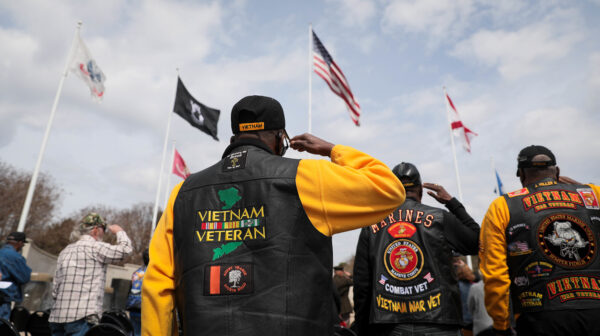
Vietnam Veterans Salute

Vietnam Veterans salute during a 10th annual Vietnam Veterans Day Celebration hosted by the Vietnam Veterans of America Chapter 1067

A report this summer from a government watchdog estimates that the VA has failed to inform up to 87,000 Vietnam War Veterans and their survivors that they may now qualify for retroactive compensation benefits due to exposure to toxic herbicides like Agent Orange, according to Military.com.

This oversight could mean that Veterans and their families are missing out on more than $844 million in benefits, exposing a significant gap in the VA's outreach efforts. Bart Stichman, co-founder of the National Veterans Legal Services Program, stressed the importance of ensuring that these Veterans receive the compensation they deserve.

"There are millions of dollars at stake that Vietnam Veterans and their survivors should be receiving," Stichman said.

This issue comes as the VA faces growing pressure due to the recently passed PACT Act, which has expanded coverage for potentially six million more Veterans exposed to toxins from burn pits and other sources during the Vietnam, Persian Gulf, and post-9/11 wars. Linda Bilmes, a public policy professor at the Harvard Kennedy School, pointed out that the U.S. will soon owe trillions of dollars in medical and disability compensation to Veterans.

"We don't really understand the cost… We don't have a function that is keeping track of all of the accrued promised benefits the way we should," she said, despite pledging support.

The VA's current financial challenges are significant, with the department facing a $15 billion budget shortfall that could impact millions of Veterans' benefits as soon as October. The roots of the current crisis can be traced back to a 1986 class action lawsuit, Nehmer vs. The Department of Veterans Affairs. The lawsuit required the VA to recognize "presumptive conditions" linked to Agent Orange and pay corresponding benefits. However, the VA has been criticized for its resistance to fully implementing these obligations. Despite a 2021 announcement that the VA would notify all Vietnam Veterans previously denied benefits, the watchdog report found that nearly tens of thousands of Veterans and survivors might have been overlooked.

One of the key challenges in this situation is the fragmented structure of the VA, with the Veterans Benefits Administration responsible for disability payments and the Veterans Health Administration handling healthcare. This division has led to confusion over which Veterans should be notified about potential benefits. The Office of Inspector General recommended sending new letters to those overlooked, but the Benefits Administration has resisted, likely due to the strain it would place on an already burdened system.

Amid these challenges, volunteers like Marc McCabe, who works with the Vietnam Veterans of America, continue to help Veterans and their families navigate the complex benefits process. The VA's failure to reach out to all eligible Veterans remains a significant issue, and with the financial future of Veterans' benefits programs uncertain, experts like Bilmes are advocating for solutions such as creating a trust fund to ensure that promised benefits are secured.

For more information, readers can contact the National Veterans Legal Service Program at agentorange@nvlsp.org.


US ARMY SPC 5 whitefish Reporting
Viet-Nam Combat Veteran
 
Last edited:
National Suicide Prevention Month: Supporting Veterans and Families with TAPS and Vital Resources.

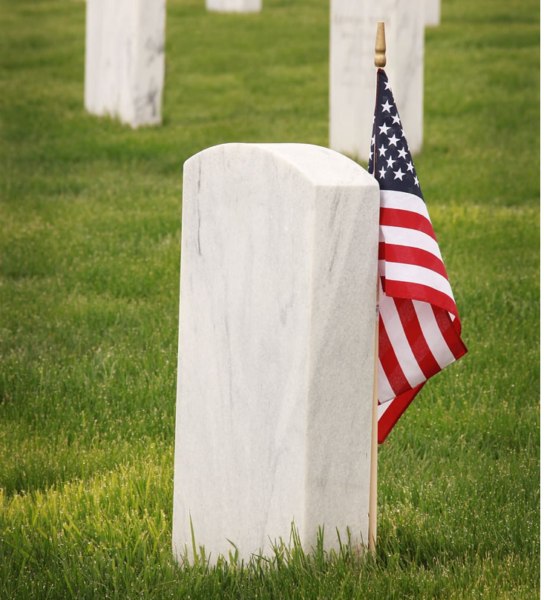
flag next to tombstone (photo: wallpaperflare.com)

September is National Suicide Prevention Month and serves as a reminder of the critical need to address mental health challenges, particularly among Veterans and their families.

On average, approximately 22 Veterans tragically take their own lives each day, emphasizing the severity of this national crisis. Research has revealed that the military and Veteran suicide rate is 50 percent higher than that of civilians, making it a deeply concerning statistic. Multiple factors experienced by Veterans contribute to the crisis, including PTSD, survivor's guilt, financial strain, and family issues.

The Tragedy Assistance Program for Survivors, TAPS, a national nonprofit organization since 1994, has been a pillar of support for those grieving the loss of military or Veteran loved ones. TAPS offers resources and compassionate care free of charge. Their commitment to providing comfort and hope extends 24/7 through a national peer support network, grief resources, and various programs tailored to survivors worldwide.

To combat this national crisis, essential resources like the Veterans Crisis Line exist. This free, confidential crisis resource is available to Veterans, their families, and friends around the clock, staffed by trained responders, some of whom are Veterans themselves.

The VA has also developed the PTSD Coach website and app to assist troops and Veterans in managing issues like anger, sleep disturbances, and trauma triggers. Additionally, the VA's Mental Health webpage offers a wealth of resources to address various mental health concerns.

Recognizing the signs of crisis is paramount. If you encounter someone who exhibits thoughts of self-harm, looking for ways to end their life, or discussing death and suicide, it is imperative to take action immediately. Self-destructive behaviors such as substance abuse or weapons-related actions also demand immediate attention.

For Veterans or service members in crisis, the Veterans Crisis Line stands ready with 24/7/365 resources. You can call 1-800-273-8255 and Press 1, text to 838255


US ARMY SPC 5 whitefish Reporting
Viet-Nam Combat Veteran
 
Last edited:

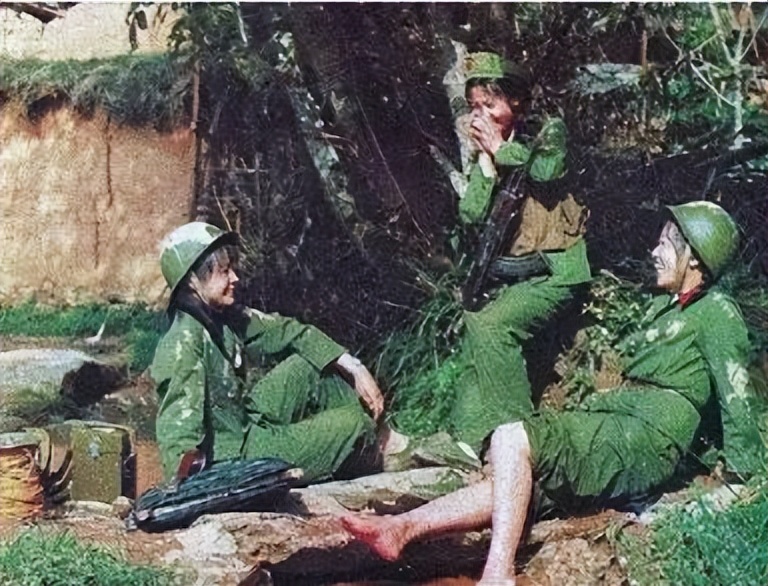
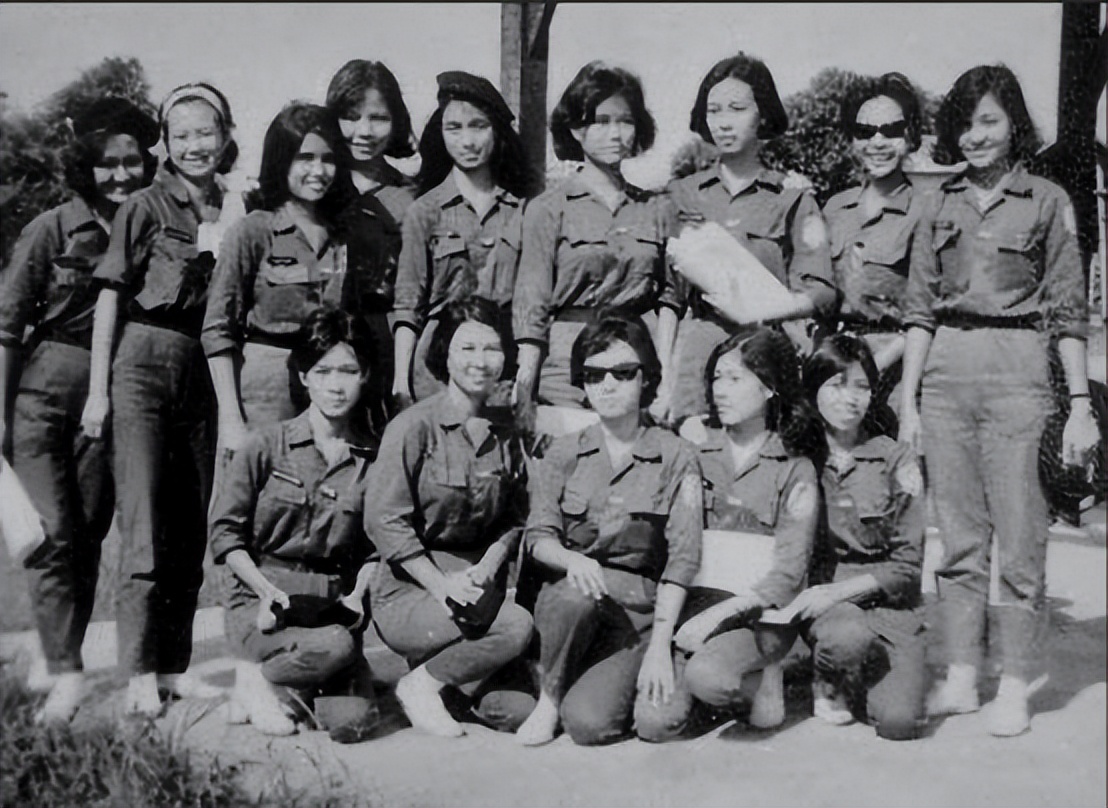
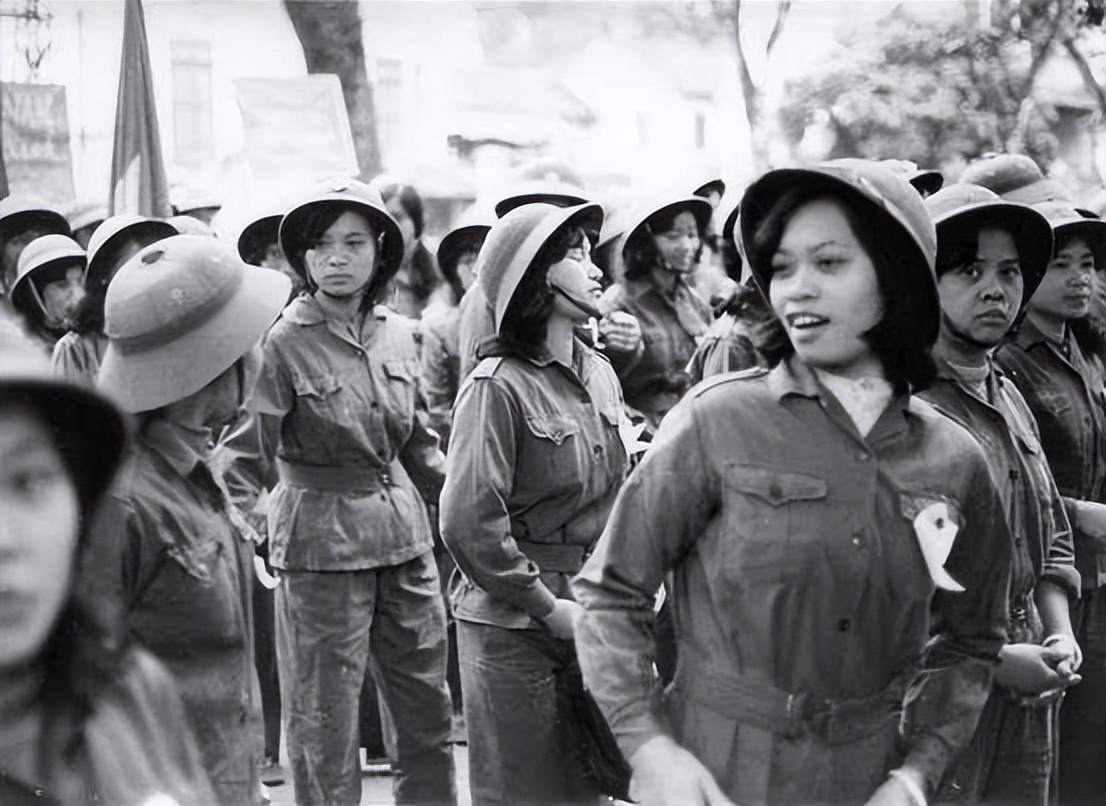
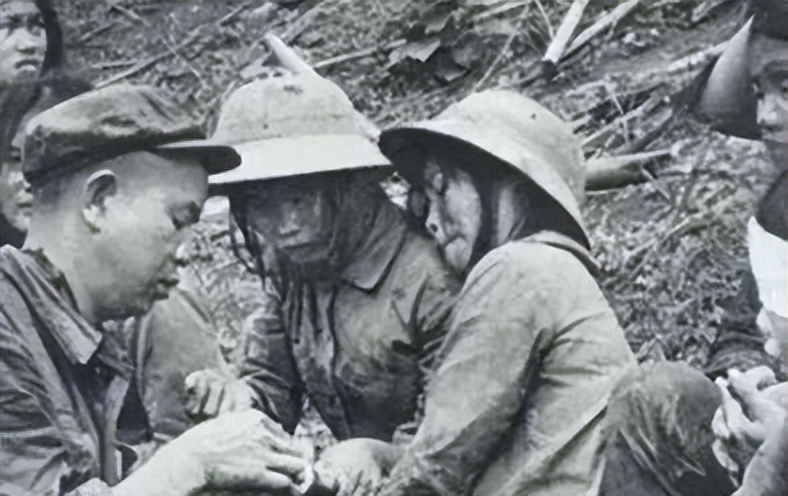
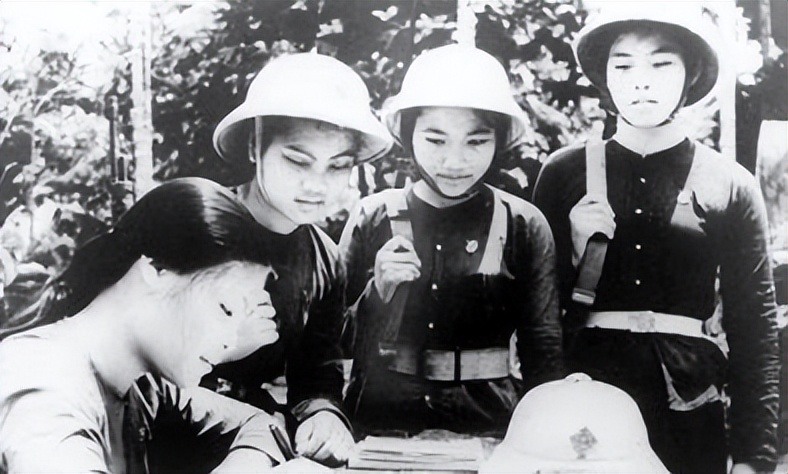
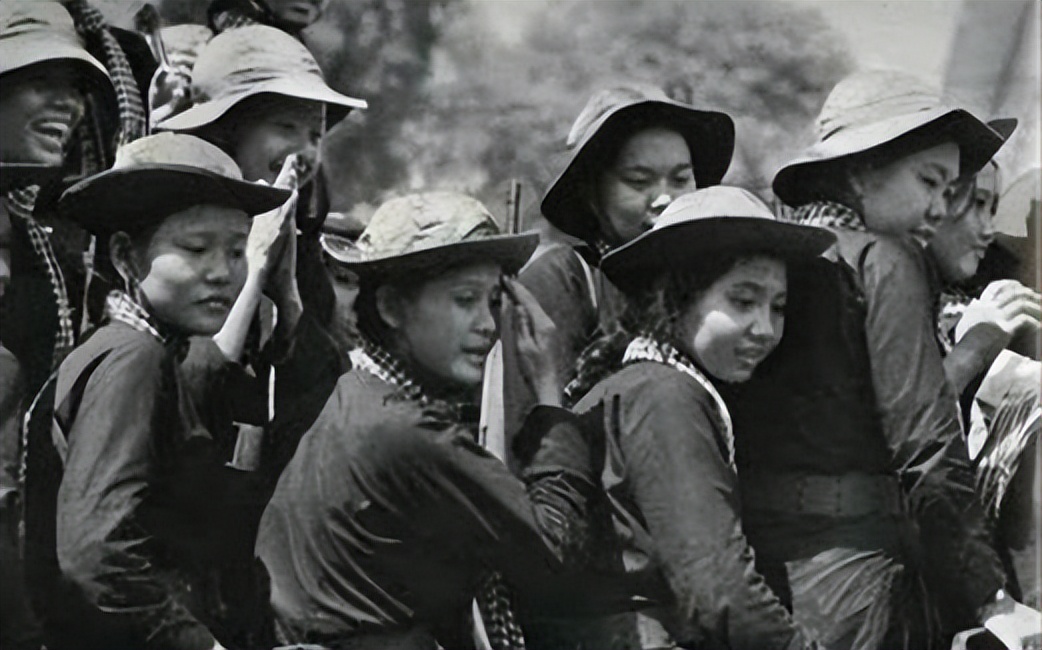
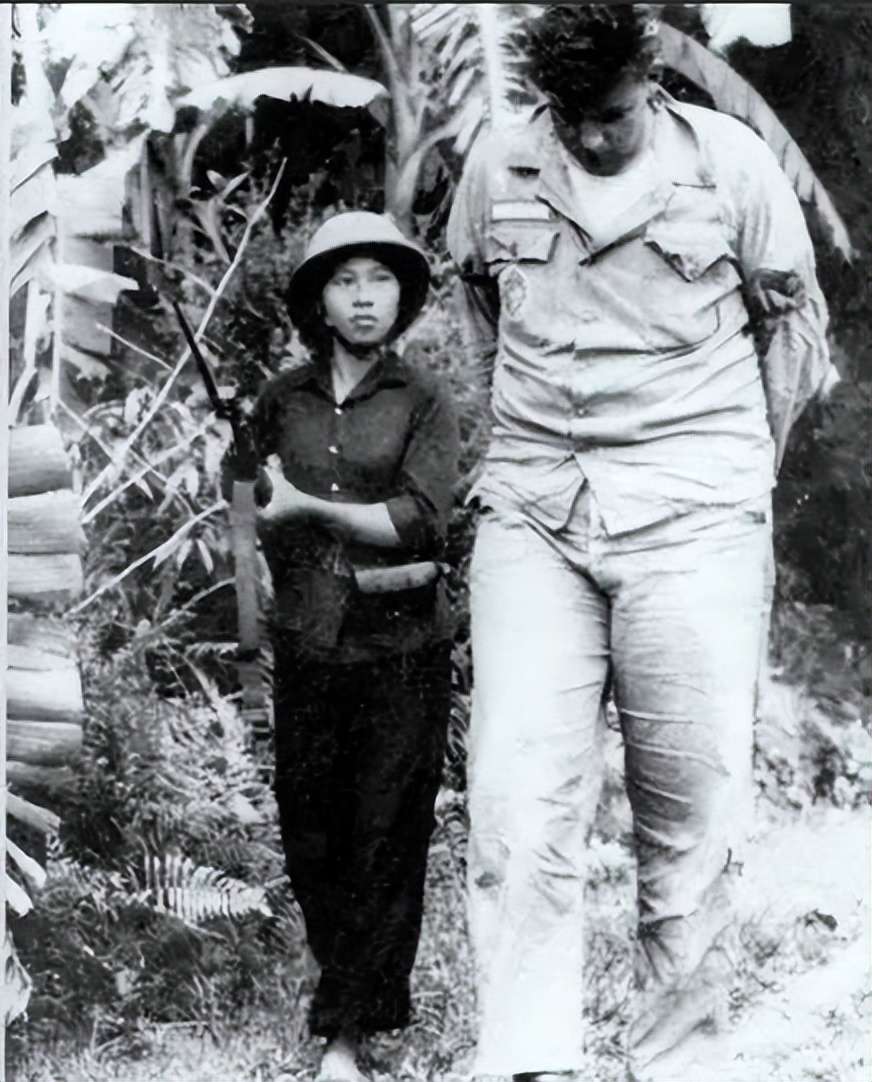
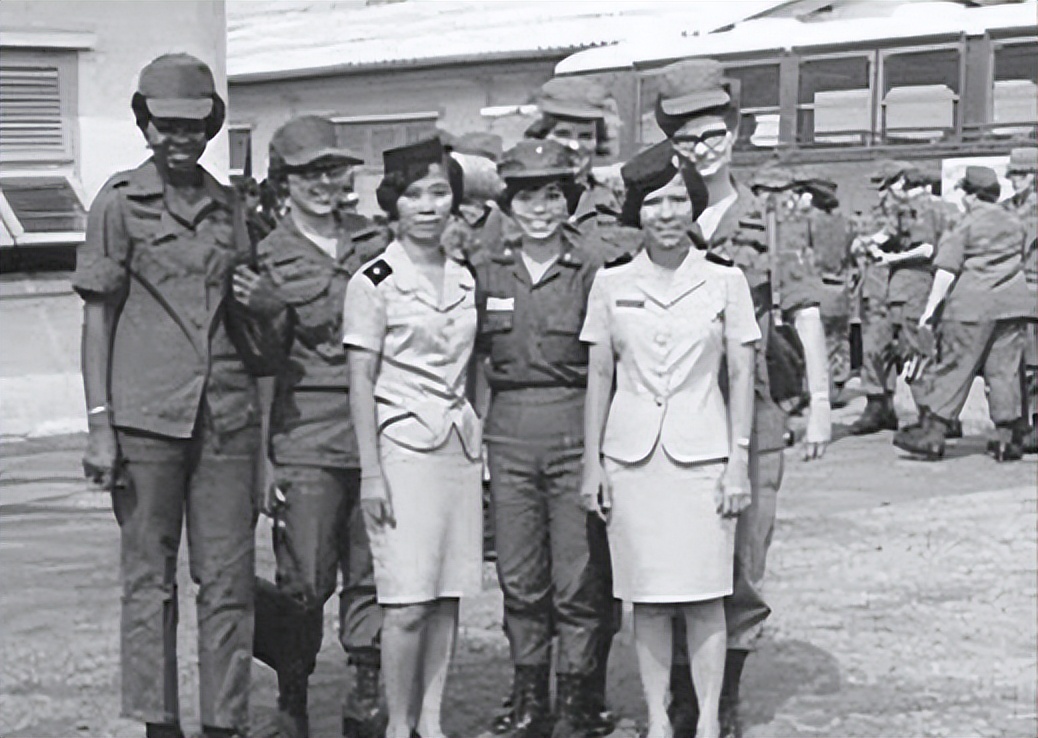
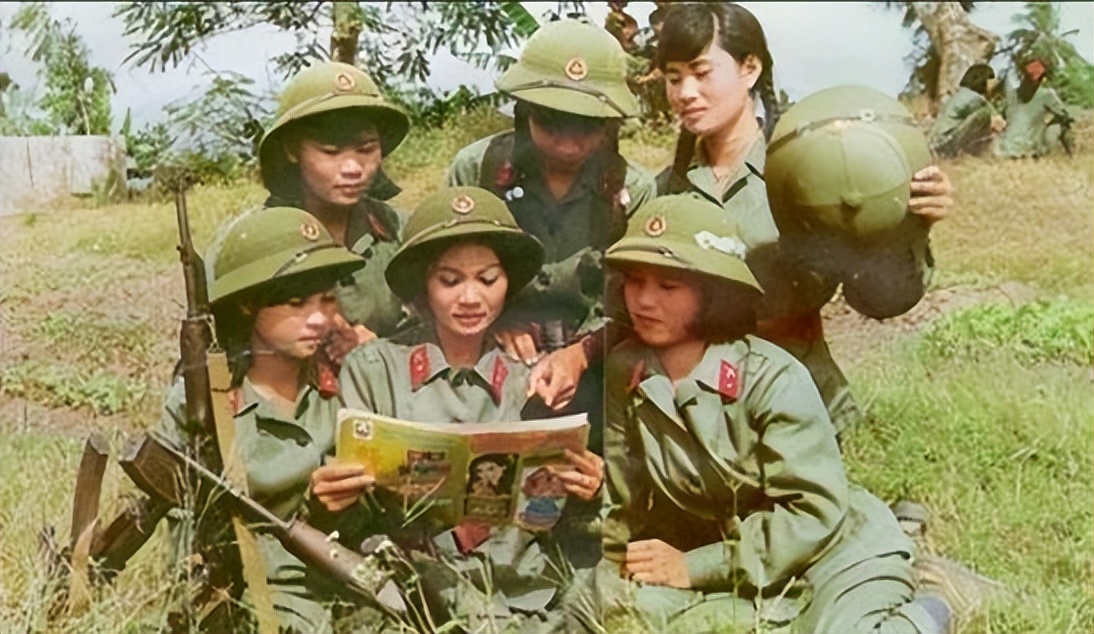
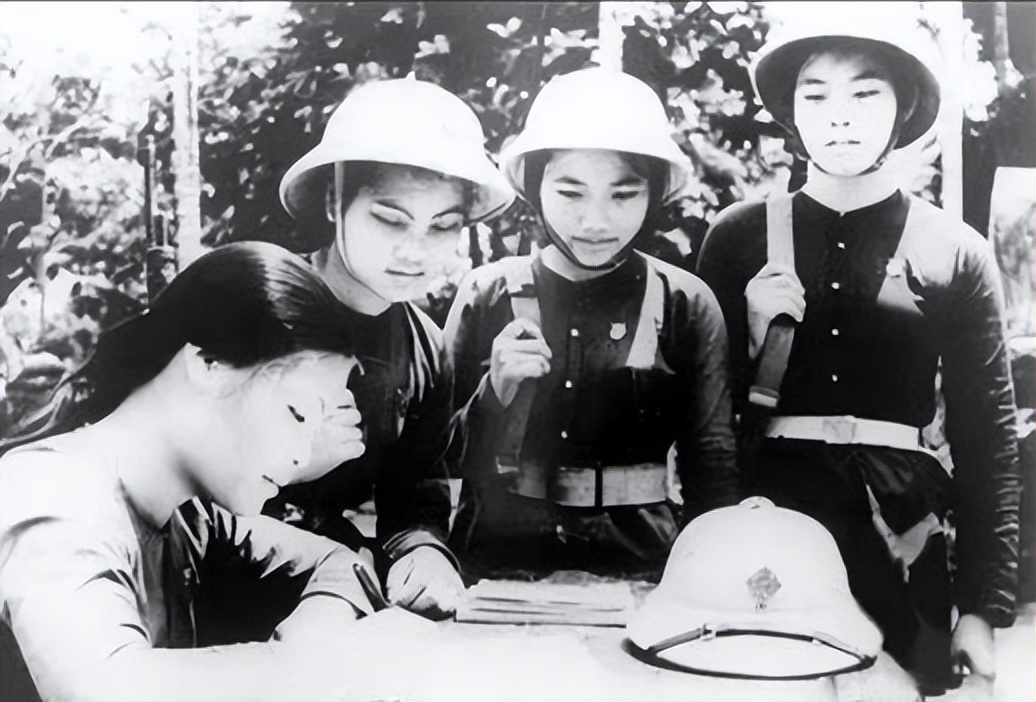
Vietnamese female soldiers - Woman at War


The Vietnam War, also known as the Second Indochina War, was a war that lasted for twenty years from 1955 to 1975. The superpowers are all involved. In this war, people often overlook a key role-Vietnamese female soldiers.
They bravely stood on the front line and fought to defend the motherland. Their experiences and contributions still leave a profound impact on Vietnamese society.

However, in the chaos and brutality of war, the treatment these female soldiers may face is not just the danger of fighting. Many were trapped behind enemy lines and became prisoners of war. There are rumors that Vietnamese female soldiers will take off their clothes after being captured? If yes, what were the motivations and implications behind such behavior?
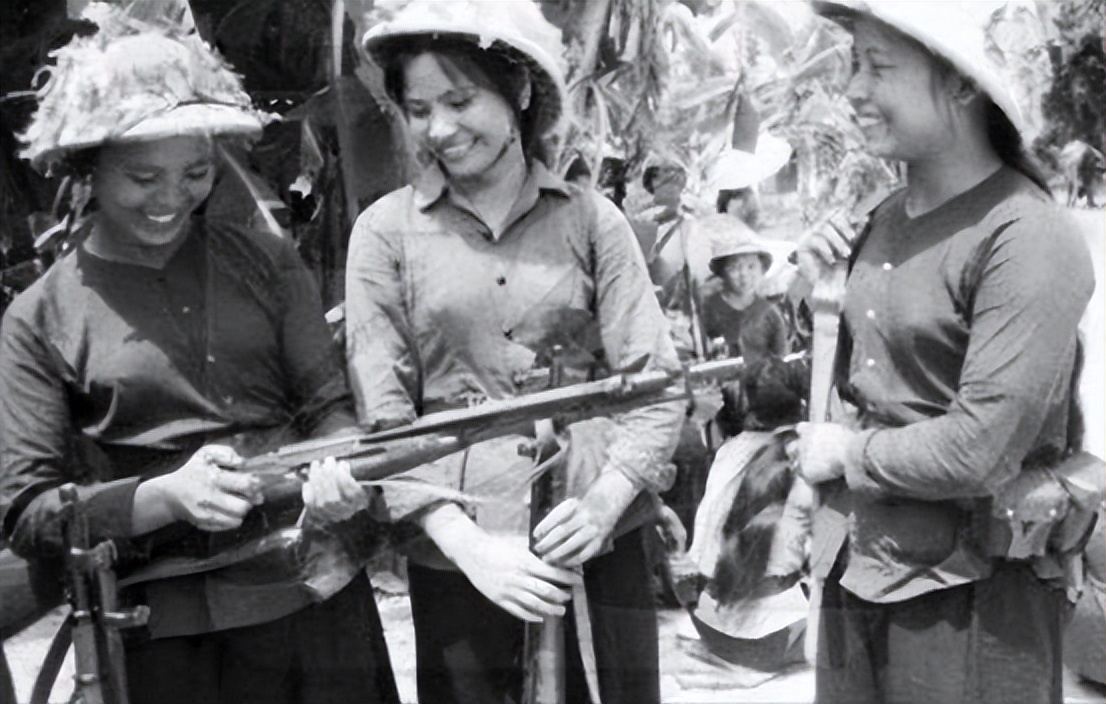
Women were not only victims but important participants in the Vietnam War. The roles of Vietnamese female soldiers are diverse, including traditional logistical support roles and active combat roles.


During the Vietnam War, Vietnamese female soldiers would take off their clothes directly when they were captured? What is the reason behind

The long history of Vietnamese female soldiers can be traced back to the first Indochina War after Vietnam's independence in 1945. During this war, many female soldiers joined the Communist Party of Vietnam to fight against French colonial rule. Not only did they fight on the front lines, but they also took on a lot of logistical and intelligence work. The war ultimately ended with the defeat of France at the Battle of Dien Bien Phu in 1954, and northern Vietnam became an independent socialist state.
During the Vietnam War, Vietnamese female soldiers would take off their clothes directly when they were captured? What is the reason behind

Vietnamese female soldiers also displayed outstanding courage and skill. They often participated in the battle on the front line, using guerrilla tactics to defend and counterattack the French army. They often display outstanding leadership and bravery in battle, and some female soldiers have earned a high degree of respect and honor on the battlefield.

During the Vietnam War, Vietnamese female soldiers would take off their clothes directly when they were captured? What is the reason behind

Vietnamese female soldiers also played an important role in the rear, and they participated in logistics support, medical rescue and intelligence collection. Vietnamese female soldiers played a key role in transporting supplies, caring for the wounded and gathering information on the enemy. Their efforts have ensured that the battle on the front line can proceed smoothly.

During the Vietnam War, Vietnamese female soldiers would take off their clothes directly when they were captured? What is the reason behind

In the Battle of Dien Bien Phu in 1954, the Vietnamese army won a decisive victory, France was forced to abandon its colonial rule over North Vietnam, and northern Vietnam became an independent socialist country. This victory was achieved by the joint efforts of all Vietnamese people, including many female fighters. The war demonstrated the strength and determination of Vietnamese women, whose contributions have had a profound impact on Vietnamese history.

During the Vietnam War, Vietnamese female soldiers would take off their clothes directly when they were captured? What is the reason behind

Why did foreign countries, especially the United States and France, choose to intervene militarily in Vietnam? , What wars did they launch against Vietnam?

In 1955, a speech by U.S. Secretary of State John Foster Dulles in Kenoch, Indiana, laid out a policy that was an important part of U.S. foreign policy during the Cold War and was key to U.S. eventual involvement in the Vietnam War factor.

During the Vietnam War, Vietnamese female soldiers would take off their clothes directly when they were captured? What is the reason behind

In his speech, Dulles made it clear that if any Southeast Asian country was invaded by communist forces, the United States would take necessary actions to defend it. This is based on the so-called "domino theory", which states that if one country falls to communism, then nearby countries will follow suit, like a row of dominoes. Therefore, the U.S. government considered it extremely important to prevent the spread of communism in Asia.

During the Vietnam War, Vietnamese female soldiers would take off their clothes directly when they were captured? What is the reason behind

Dulles' speech demonstrated the determination of the United States to prevent the spread of global communism. This policy paved the way for the subsequent U.S. military involvement in Vietnam. In 1955, Vietnam split into South Vietnam, which was controlled by the Communist Party led by Ho Chi Minh, and North Vietnam, which was supported by the United States.

During the Vietnam War, Vietnamese female soldiers would take off their clothes directly when they were captured? What is the reason behind

However, the corruption and instability of the South Vietnamese regime gradually worsened the situation in the country, leading to the rise of the Viet Cong guerrillas. In this case, Dulles' speech also provided a reason and basis for the United States to intervene in the Vietnam War.

During the Vietnam War, Vietnamese female soldiers would take off their clothes directly when they were captured? What is the reason behind

On November 1, 1963, a coup that shocked the world took place in South Vietnam. South Vietnamese President Ngo Dinh Diem and his younger brother and adviser Ngo Dinh Shui were killed in the coup. The coup was sparked by the severe repression of Buddhists by Diem's government, which sparked massive protests in South Vietnam, and Diem's authoritarian methods have eroded his popularity with the military and the public.

During the Vietnam War, Vietnamese female soldiers would take off their clothes directly when they were captured? What is the reason behind

In this coup, some senior officers of the South Vietnamese army launched a coup against Ngo Dinh Diem and established a military regime after the coup was successful. However, the coup did not bring stability. On the contrary, South Vietnam entered a period of frequent regime changes and political instability. In the next two and a half years, South Vietnam changed 10 leaders.

During the Vietnam War, Vietnamese female soldiers would take off their clothes directly when they were captured? What is the reason behind

The coup plunged South Vietnam into chaos, creating plenty of opportunities for the Viet Cong guerrillas. In order to support the South Vietnamese regime and prevent South Vietnam from falling into communism, the US government increased military and economic assistance to South Vietnam during the Kennedy and Johnson administrations. Until 1965, the United States officially launched a large-scale military intervention and began to send a large number of ground combat troops to South Vietnam, which marked the full-scale outbreak of the Vietnam War.

During the Vietnam War, Vietnamese female soldiers would take off their clothes directly when they were captured? What is the reason behind

Although U.S. officials were not directly involved in the 1963 coup, their dissatisfaction with Diem's policies and their failure to act in support of him when the coup occurred partly allowed the coup to occur. This is also a typical example of how the United States sometimes supported undemocratic or even dictatorial regimes in order to prevent the expansion of communism during the Cold War.

During the Vietnam War, Vietnamese female soldiers would take off their clothes directly when they were captured? What is the reason behind

How was the end of the two decades long Vietnam War brought about, and by what decisive battles and events was it brought about?

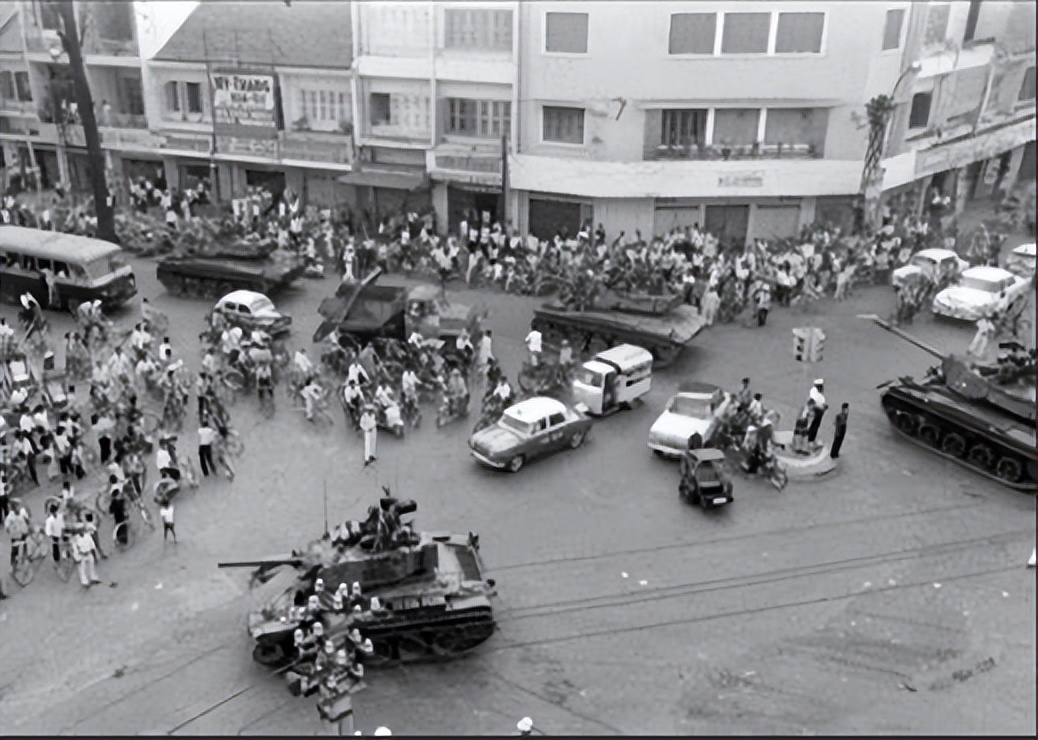
April 30, 1975, known as "The Last Hours of Saigon ," marked the final end of the Vietnam War. The United States had withdrawn its troops from Vietnam after the signing of the Paris Peace Accords the previous year, leaving only a small number of military advisers and diplomats in South Vietnam. However, the peace agreement did not end the conflict between North and South Vietnam.

During the Vietnam War, Vietnamese female soldiers would take off their clothes directly when they were captured? What is the reason behind

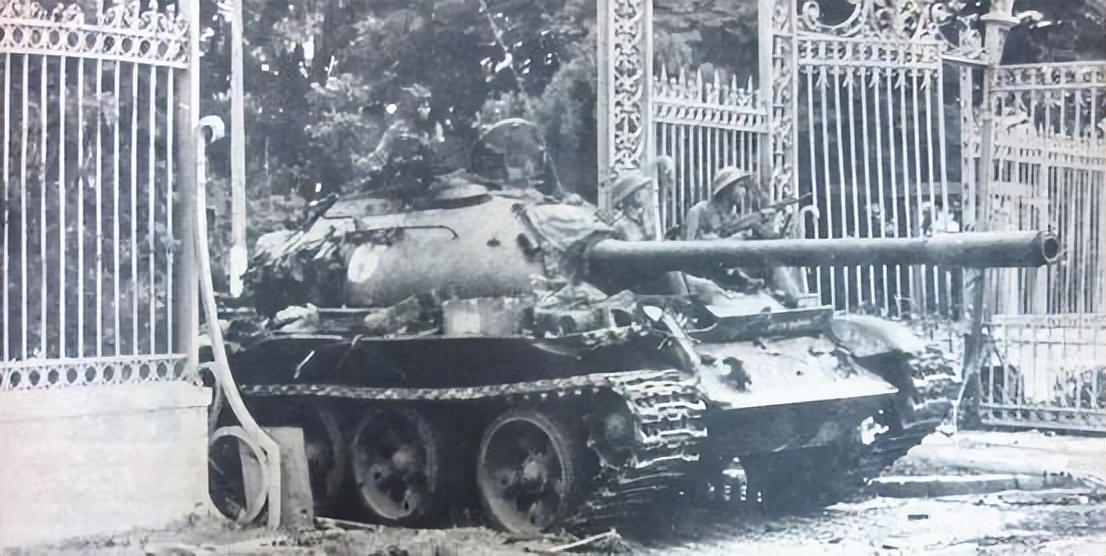
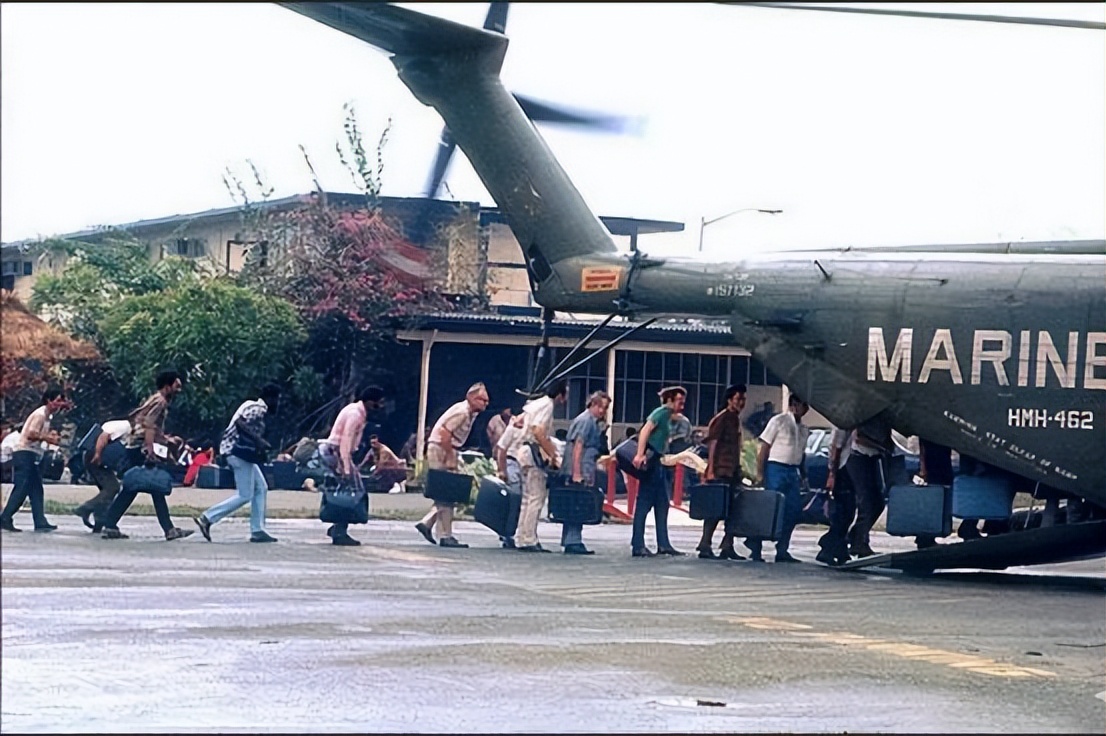
In early 1975, the North Vietnamese Army launched a massive military campaign with the goal of ending the decades-long war. In just a few months, they managed to capture most of South Vietnam. On April 30, the North Vietnamese army entered Saigon, the capital of South Vietnam, marking the final victory of the North Vietnamese army. The images of this day were widely disseminated, especially the scene of the emergency evacuation of American citizens and some Vietnamese refugees on the roof of the US embassy helicopter, which became a representative image of the Vietnam War.

During the Vietnam War, Vietnamese female soldiers would take off their clothes directly when they were captured? What is the reason behind

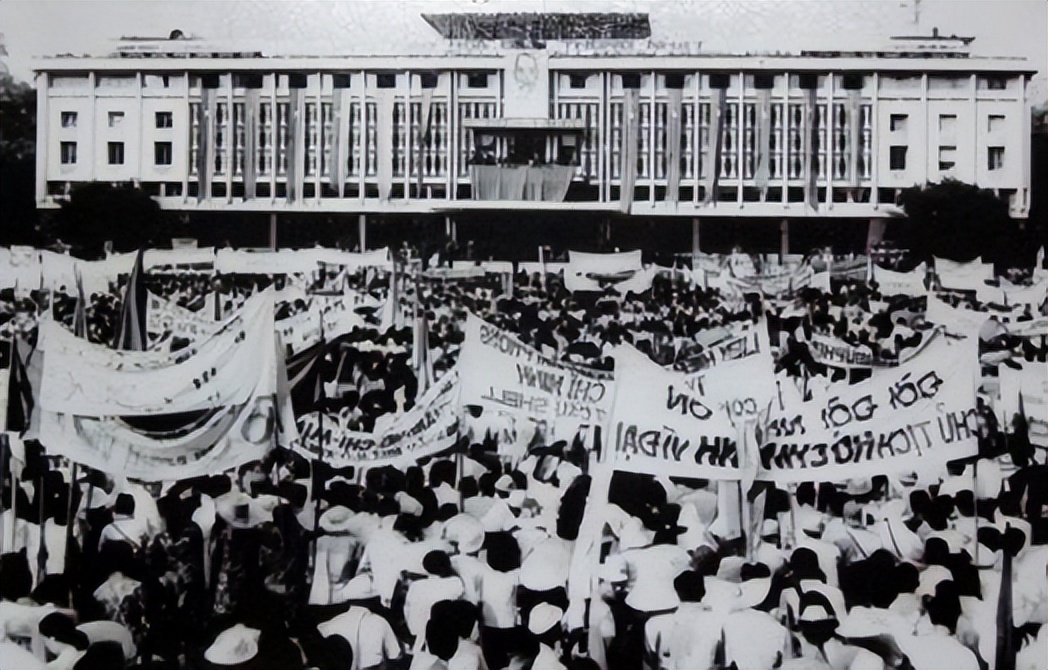
Saigon's final moments are a symbol of Vietnam's unification. After the war, Vietnam underwent national reunification and Saigon was renamed Ho Chi Minh City in honor of Vietnam's revolutionary leader. Vietnam also became a socialist country, officially known as the Socialist Republic of Vietnam. Despite decades of war and destruction, Vietnam achieved some economic and social development in the ensuing decades. However, the trauma of war also left a profound impact on the Vietnamese people and country.

During the Vietnam War, Vietnamese female soldiers would take off their clothes directly when they were captured? What is the reason behind

How did Vietnamese women play their important role in the Vietnam War, and what are their contributions?

The role of Vietnamese women in the war transcended many traditional gender roles. They were assigned to various positions and tasks, including caring for the wounded, artillery, scouts, interpreters, etc. They were also deployed to separate women's combat units for critical tactical operations, including reconnaissance, sabotage and guerrilla warfare.

During the Vietnam War, Vietnamese female soldiers would take off their clothes directly when they were captured? What is the reason behind


The training and preparation of Vietnamese female soldiers was not much different from that of male soldiers. In military training, they received the same rigorous training, including physical training, tactical training and psychological training, to ensure that they could survive the harsh conditions of war. In addition, they are no less determined and courageous than men. Many Vietnamese female soldiers have shown strong patriotism and sacrifice, determined to defend their homeland even in the face of life and death.

During the Vietnam War, Vietnamese female soldiers would take off their clothes directly when they were captured? What is the reason behind

However, the place of female soldiers in warfare is not always recognized. Their contributions are often overlooked and their experiences often forgotten. Even when they show bravery and determination on the battlefield, they are not immune to the sexism and abuse that war brings.

However, the performance of the Vietnamese female soldiers after being captured is surprising. They face extreme situations and difficult choices between life and death. An important finding was that many female Vietnamese soldiers chose to take off their clothes when captured. Motivations for this behavior vary, including luring enemies, showing oneself harmless, and buying time for oneself.


During the Vietnam War, Vietnamese female soldiers would take off their clothes directly when they were captured? What is the reason behind

This behavior of Vietnamese female soldiers has achieved certain results among American soldiers. Because American culture is relatively open, some soldiers may be tempted by this move and ignore their vigilance. However, when they applied this strategy to the Chinese military, the results were quite different. The ethos of Chinese soldiers is more conservative, and they are usually embarrassed to watch, let alone be seduced. However, some Vietnamese female soldiers discovered this and took advantage of the embarrassment of Chinese soldiers and the moment when they diverted their attention to carry out sneak attacks.

During the Vietnam War, Vietnamese female soldiers would take off their clothes directly when they were captured? What is the reason behind

Initially, the Chinese army was unprepared for this situation and paid a certain price. But over time, they gradually learned how to cope. For example, when they find that female soldiers start to take off their clothes, they will immediately raise their vigilance and will not be easily diverted.

During the Vietnam War, Vietnamese female soldiers would take off their clothes directly when they were captured? What is the reason behind

But there are also many Vietnamese female soldiers whose motivation for undressing is purely aggressive. Many people do this, probably more to show their harmlessness and avoid accidental injury. In the face of this situation, Chinese soldiers usually show great restraint because their military discipline is very strict.

During the Vietnam War, Vietnamese female soldiers would take off their clothes directly when they were captured? What is the reason behind

As for the results of the capture of Vietnamese female soldiers, most of them were sent to shelters and received proper care. Their treatment and living conditions are much better than those in Vietnam, which gradually moved many people who started to resist. After the war, when they returned to Vietnam, many people spread the Chinese policy of benevolence and righteousness, thus promoting the friendship between the two peoples and contributing to further peace.

During the Vietnam War, Vietnamese female soldiers would take off their clothes directly when they were captured? What is the reason behind

Regarding the behavior of Vietnamese female soldiers taking off their clothes after being captured on the battlefield, was it voluntary or was it an order issued by the Vietnamese leadership? What is the purpose of this move?

The Vietnamese leadership believes that this behavior can protect the lives of female soldiers to a certain extent, or gain a combat advantage for the Vietnamese army.

During the Vietnam War, Vietnamese female soldiers would take off their clothes directly when they were captured? What is the reason behind

However, this strategy may cause serious psychological and physical harm to female soldiers themselves. First of all, this kind of behavior is undoubtedly a violation of personal dignity, which may cause lasting damage to the psychology of female soldiers.

Second, while this tactic may have saved their lives in the short term, it could also have made them targets of sexual assault. Furthermore, even if they managed to escape capture, their lives after the war may have been affected by the experience.


During the Vietnam War, Vietnamese female soldiers would take off their clothes directly when they were captured? What is the reason behind

This phenomenon also reflects Vietnamese society's perception of women's roles and status. The undressing of Vietnamese female soldiers may be seen as a form of deprivation of female identity, where they are forced to give up their bodily autonomy in order to survive. This also reflects gender inequality and the low social status of women in Vietnamese society.

War is the most tragic chapter in human history. It took away not only countless lives, but also the hope of those living and the tranquility of their homes. Seeing what happened to Vietnamese female soldiers in the war, we are reminded once again that every war, no matter what the reasons behind it, no matter what its outcome, is a violation of human dignity and the value of life.


US ARMY SPC 5 whitefish Reporting
Viet-Nam Combat Veteran
 
The Human Cost

1557510075148.jpg

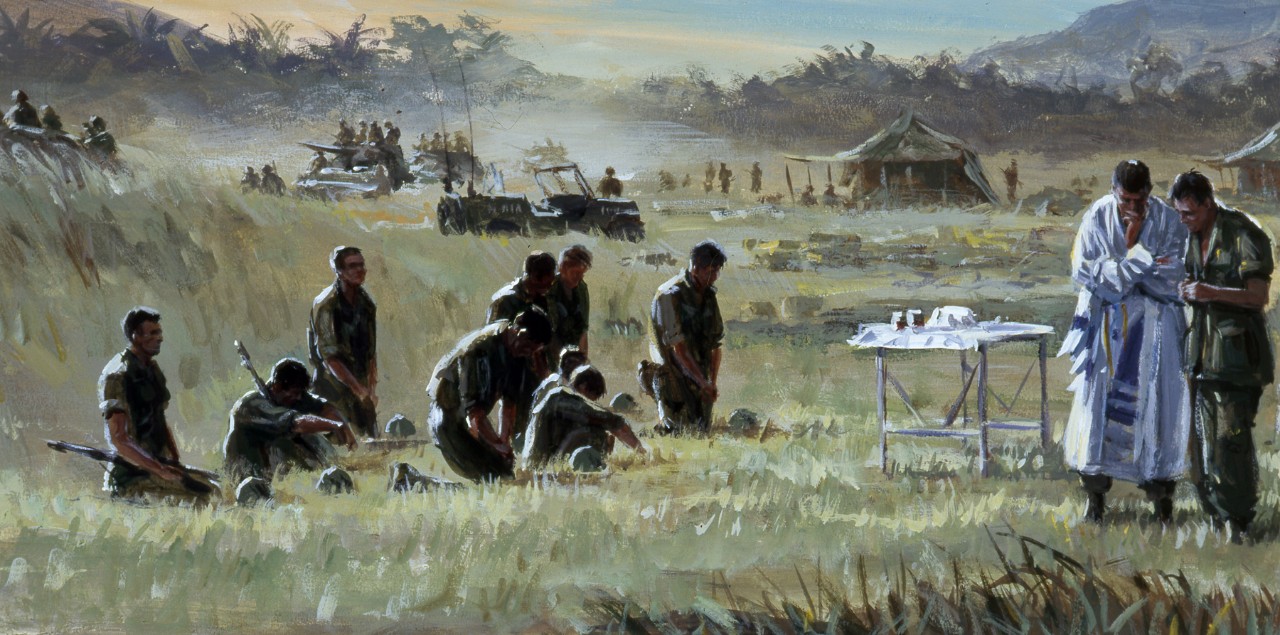
"Mass for the Fallen,"

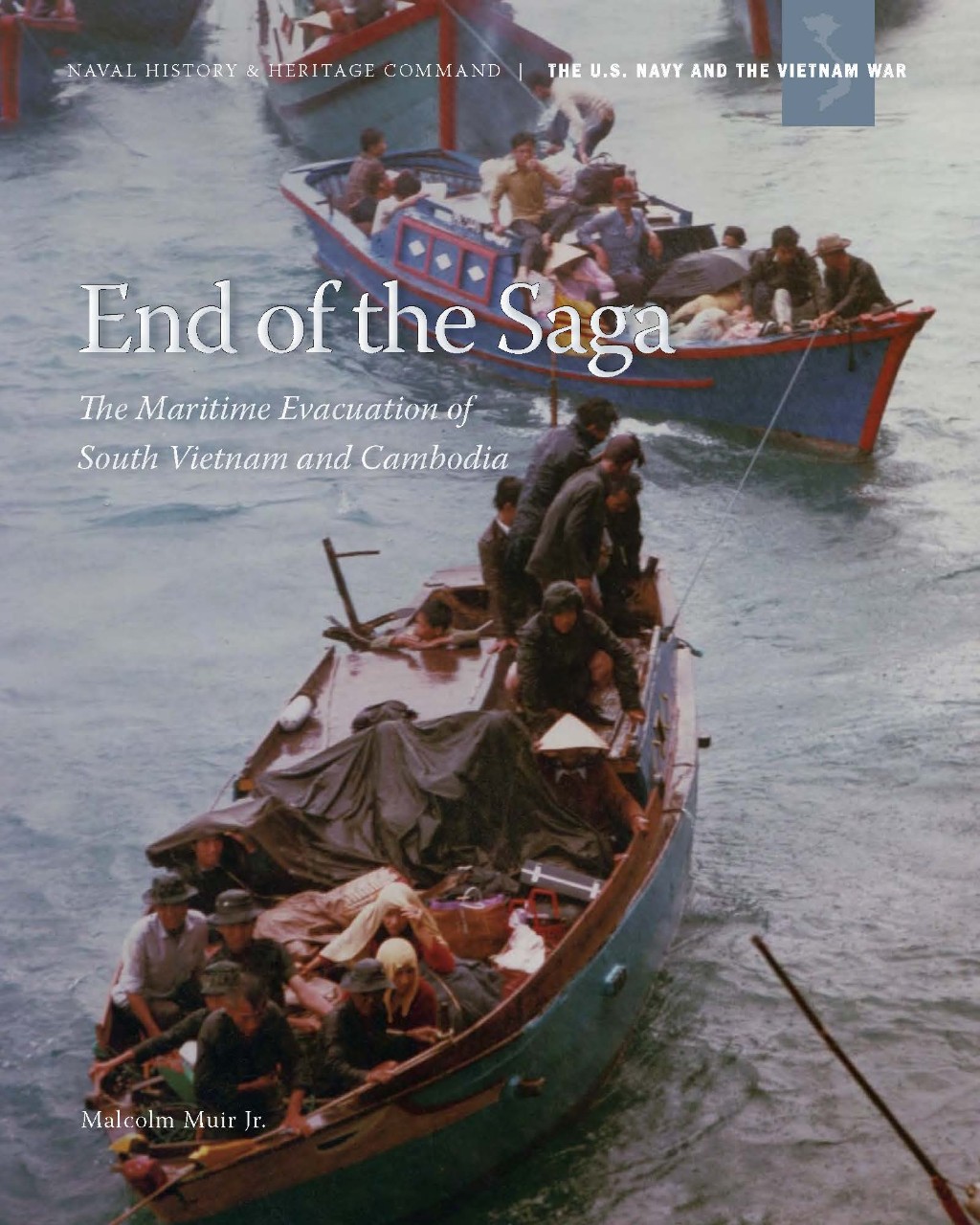
End of the Saga: The Maritime Evacuation of South Vietnam and Cambodia

End of the Saga: The Maritime Evacuation of South Vietnam and Cambodia

A few figures from official sources suffice to introduce this section. During the Vietnam War's official duration (4 August 1964–27 January 1973), 1,631 Sailors and 13,095 Marines were killed in action; 4,178 and 51,392 respectively were wounded. These figures do not include non-combat deaths or injuries, or Southeast Asian conflict–related deaths, wounds, or injuries sustained by members of the two sea services prior to or after the period noted above. The nearly 600 U.S. POWs included 154 Navy personnel and 47 Marines. Of these, 18 (9 per service) died in captivity. Fifteen U.S Navy service members (6 posthumously) and 57 Marines (44 posthumously) were awarded the Medal of Honor.
South Vietnamese military losses during the same time frame are more than four-fold; South and North Vietnamese civilian losses may have been over half a million—a clear reflection of the all-encompassing and uncompromising nature of the decades-long conflict. The ultimate North Vietnamese victory generated nearly 800,000 refugees between 1975 and 1995.

The unconventional nature of the war and the unforgiving environment of Southeast Asia inflicted special hardships on the Vietnam-era POWs, whether they spent captivity in the jungles of the South, or the jails of the North. This book describes their experiences - the similarities and the differences - and how the POWs coped with untreated wounds and other malaises, systematic torture, and boredom. The creative strategies they devised to stay fit, track time, resist the enemy, communicate with one another, and adhere to a chain of command attest to the high standards of conduct in captivity that so distinguish the POWs of the Vietnam War.


US ARMY SPC 5 whitefish Reporting
Viet-Nam Combat Veteran
 
Last edited:

Chairman Bost Presses VA on Budget Shortfall, Impact on Veterans

Today, House Committee on Veterans' Affairs Chairman Mike Bost (R-Ill.), released the following letter and statement in response to the Department of Veterans Affairs (VA) informing Congress that it may be facing a budget shortfall approaching $15 billion across the remainder of fiscal year (FY) 2024 and FY 2025.

This represents by far the largest budget shortfall that VA has experienced under any administration and a repudiation of the FY 2025 budget request that the Biden-Harris administration presented just four months ago.
"Year after year, Congress, by way of the American taxpayers, makes record-breaking investments in VA to ensure veterans can get the care and benefits they are eligible for," said Chairman Bost. "But a $15 billion dollar shortfall is no accident. It is the result of horrendous, top-to-bottom mismanagement. I question how VA could have failed to budget for increased healthcare and benefits costs resulting from the PACT Act that we all knew were coming, and I have major doubts about some of the Department's excuses. The VA budget is serious business that has a real impact on veterans' lives. The Biden-Harris administration has embarrassed themselves with how poorly they have mismanaged and run VA's budget into the ground. I expect a full accounting of this mess from the Secretary and his plan to get VA's bookkeeping in order. Veterans and taxpayers deserve better, and my committee will do our job and not rest until we get to the bottom of how these shortfalls occurred and who is responsible."


Dear Mr. Secretary:

On Monday, chief financial officers from the Veterans Benefits Administration (VBA) and Veterans Health Administration (VHA) informed the Committee that they anticipate a $2.88 billion shortfall in the remainder of fiscal year (FY) 2024 related to compensation and pension and readjustment benefit payments and a $11.97 billion shortfall in FY 2025 primarily related to increased hiring and pharmaceutical costs.
This represents by far the largest budget shortfall the Department of Veterans Affairs (VA) has experienced under any administration and a repudiation of the FY 2025 budget request that the Biden-Harris administration presented just four months ago. Not only have your chief financial officers thrown out the dollar amounts requested for many key accounts, they have abandoned many of the estimates and projections that underpinned their budget. This is not just fiscal mismanagement; it is strategic whiplash. I understand that priorities may change, but it boggles my mind how the roughly 10,000 full-time equivalent (FTE) workforce reduction and the nationwide VHA hiring restrictions that you defended just a few months ago have already become a more than 22,000 FTE increase. Hiring quality health care workers is difficult enough without a constantly moving target.

I would like to reiterate the concerns that I expressed to you during the Committee's April 11, 2024, budget hearing. I voiced my alarm that VA was barely keeping the lights on despite Congress consistently providing every dollar requested in the budget. VA's budget has become increasingly complicated and reliant on gimmicks, apparently to compensate for the expiration of one-time, pandemic-related supplemental funding. This has created a situation where one bad estimate or unanticipated event can create a shortfall in multiple accounts. In particular, the Biden-Harris administration has repeatedly shifted regular expenses out of the base budget and dumped them into the Cost of War Toxic Exposures Fund, rather than using the Fund to pay for the incremental cost of delivering health care and benefits under the Honoring Our PACT Act of 2022, Public Law 117-168. Such budgetary mismanagement does not serve veterans' interests or make responsible use of the resources that Congress continues to provide.

The budget shortfall seems to be a troubling mix of anticipated costs that were not budgeted for and other costs that lack sufficient explanation or are speculative. For example, although compensation and pension obligations have been running below expectation so far this fiscal year, it is well understood that claims submissions have increased due to the PACT Act and this year's rulemakings, that disability examinations increase with the volume of claim submissions and contentions, and VBA typically experiences a surge in obligations near the end of the fiscal year. That said, it is unclear why VA did not account for these potential expenses in its original or revised budget requests. Similarly, the annual increase in community care obligations has been fairly constant in percentage terms since fiscal year 2022, but the Biden-Harris administration has declined to include community care growth in its base budget request for VA while seemingly straining, if not breaking, the limits of what the Toxic Exposures Fund can pay for.

In contrast, explanations for the need for a $3.87 billion increase in pharmaceutical and prosthetics spending across FY 2024 and FY 2025 were spotty at best, including a round $1 billion to manage unspecified "chronic disease," speculation that demand for Ozempic and similar drugs may be the cause, and no explanation at all for the increased prosthetic expense. Additionally, I am troubled by the VHA chief financial officer's repeat suggestions that the Change Healthcare ransomware attack may be to blame for any or all of VA's faulty budgetary projections. Aside from shifting $700 million of medical collections from FY 2024 to FY 2025, the Change Healthcare incident seems to have been used as a convenient excuse.

Above all, the budget shortfall seems to be driven by the 22,304 FTE increase from the FY 2024 budget to VHA's new projection for FY 2025. My understanding is roughly 17,000 FTE have already been hired and about 5,000 FTE remain to be hired. Given Under Secretary for Health Elnahal's announced policy of nationwide hiring restrictions and managing by attrition, I think veterans and employees deserve a much better explanation of where these 22,304 FTE are being hired. I also think taxpayers deserve a thorough explanation of the 180-degree reversal from Dr. Elnahal's statement in February 2024 that, "we have the nationwide staffing level we need to accomplish this important mission — and we have the funding we need to care for veterans through 2024 and into 2025…As responsible stewards of these funds, we must make thoughtful decisions about resource use at every level of the enterprise…" I am also concerned that some of the FTE increase represents VHA's continued, ill-fated campaign to reduce community care utilization, ignoring the myriad personal or medical reasons why individual veterans choose to get their care in the community as is their right under the VA MISSION Act of 2018, P.L. 115-182, access standards.

Given the chief financial officers' expressed urgency, I respectfully ask that you answer the following questions no later than July 26, 2024, to help the Committee fully understand VA's expected budget shortfall. Please note, the Committee will resort to compulsory processes, if necessary, to obtain the requested information.

1) Was former Chief Financial Officer Jon Rychalski's June 17, 2024, attestation under section 7103 of the Johnny Isakson and David P. Roe, M.D. Veterans Health Care and Benefits Improvement Act of 2020, P.L. 116-315, complete and accurate? Specifically, why did his attestation that he "collaborated with the Department subordinate chief financial officers regarding the fiscal year 2025 request" omit the substance of the required attestation "to be confident in the financial projections included in the budget request and supporting materials"?
2) Given the 22,304 FTE increase, from the FY 2024 budget to VHA's new projection for FY 2025, do you acknowledge Dr. Elnahal misled veterans when he stated, "we have the nationwide staffing level we need to accomplish this important mission…"? Or, have there been significant, unexpected changes in demand for in-house VA care since February 2024? If so, please detail such demand changes.
3) Please provide a list of the 10 VHA healthcare systems with the largest actual or expected FTE increases throughout FY 2024 and 2025. Please also provide each such healthcare system's community care obligations or expenditures for FY 2023, 2024, and 2025 to date along with a comparison against relevant national averages.
4) Please provide Committee staff with a briefing specifically focused on VHA's expected $3.87 billion increase in pharmaceutical and prosthetics spending across FY 2024 and 2025.
5) Please provide Committee staff with another briefing specifically focused on the impact of the Change Healthcare ransomware attack's impacts on VA's budgetary projections or estimates, anticipated obligations or expenditures, the timing or amount of medical collections, or any other matter relevant to the budget shortfall.
6) Please explain the effects of VA's continued inability to use the Program Integrity Tool on medical collections, the accuracy of community care payments including improper payments, and the resulting budgetary impact. This issue was not mentioned during the budget shortfall presentation. The Office of Inspector General estimates the impact on revenue operations to exceed $665 million.
7) Please explain the basis of the estimate, made in the FY 2024 budget request, that the number of individuals receiving educational entitlement would be significantly less in 2024 than in 2023. Given the projected shortfall in the readjustment account, this estimate appears to have been erroneous.
8) Please reconcile the primary justification for the VBA shortfall, unexpected or greater than expected increases in claims workload, with the projection in the FY 2025 budget request that claims receipts, including PACT Act claims, would increase by 85% and non-rating claim receipts would increase by 60% by FY 2025.
9) Please explain whether VA's FY 2025 budget request correctly accounted for the impact of the increase in claims submissions on the volume or expected cost of disability compensation examinations, either in VBA discretionary or mandatory accounts.

How much of VBA's projected shortfall, if any, is attributable to modifications to the disability compensation examination contracts?


US ARMY SPC 5 whitefish Reporting
Viet-Nam Combat Veteran


VA Faces Budget Shortfall


The Department of Veterans Affairs (VA) has announced a significant budget shortfall, with projected deficits of $12 billion in 2025 and a $3 billion shortfall in 2024. The main drivers of this shortfall include:
  • Increased costs for veterans' benefits, particularly due to the implementation of the PACT Act, which expanded care and benefits to millions of veterans exposed to toxins during their military service.
  • Higher costs for prescription drugs and a growing workforce.
  • Increased utilization of community care, which allows veterans to see doctors outside the VA using VA funding.
VA Secretary Denis McDonough has attributed the shortfall to the department's success in implementing the PACT Act, which has led to more veterans seeking benefits and care. He has emphasized the need for Congress to act by mid-September to prevent a delay in benefit payments to veterans.
Lawmakers have responded with concern, accusing the VA of fiscal mismanagement and demanding more information on the shortfall. A bipartisan group of senators has introduced a bill to fix the nearly $3 billion shortfall for disability and education benefits, while House Veterans Affairs Committee Chairman Mike Bost has threatened to subpoena VA officials if they do not provide more information.
The VA is exploring ways to address the shortfall, including the use of artificial intelligence tools to reduce workforce burdens and anticipate veterans' needs. However, the exact measures the department will take to cover the shortfall remain unclear.


US ARMY SPC 5 whitefish Reporting
Viet-Nam Combat Veteran
 
Last edited:

$12 Billion More for VA Medical Budget Urgently Needed, Department Says


ApNewsroom_Veterans_Affairs_34843.jpg


If Congress does not include extra funding for Department of Veterans Affairs medical services in an upcoming stopgap spending bill, the department will struggle to keep up with demand for care, administration officials are warning.

On a conference call with reporters Monday, VA officials confirmed they are asking Congress to include an extra $12 billion for the department's medical budget in the upcoming stopgap spending measure -- which must be passed into law by the end of the month -- to ensure outreach to veterans and growth of the system can continue apace without compromising wait times and staffing levels.

"We have been on an unprecedented outreach campaign to get more veterans into the system," Shereef Elnahal, the VA's under secretary for health, said on the call. "So, if we have to be in a position to say, 'Well, we can't financially support the next set of veterans who can come into care, reduce their risk for suicide, get the highest quality care available,' then that would be a decision that we don't want to make. It's not commensurate with the promise that we've made to folks who wore the uniform and defended our freedom."


US ARMY SPC 5 whitefish Reporting
Viet-Nam Combat Veteran
 

Senators Propose Bill to Research Birth Defects in Descendants of Toxic-Exposed Veterans


vietnam-war-defoliation-agent-600x401.png

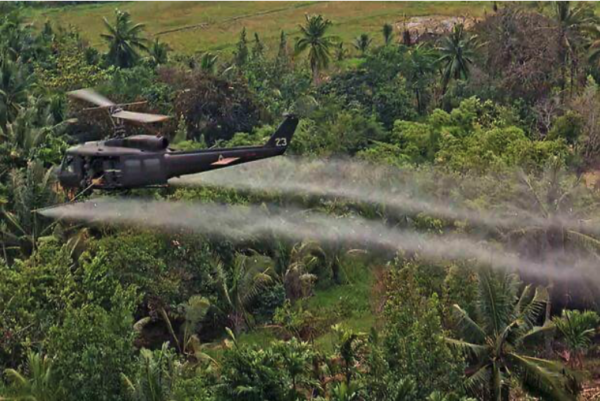
A UH-1D helicopter from the 336th Aviation Company disperses a defoliant over farmland in the Mekong

Senators Jon Tester (D-Mont.) and Marco Rubio (R-Fla.) introduced a $15 million bill to fund research into birth defects and health conditions affecting the children and grandchildren of Veterans exposed to toxic chemicals during military service.

The "Molly R. Loomis Research for Descendants of Toxic Exposed Veterans Act" seeks to investigate the generational effects of hazardous exposures in combat zones. The proposed studies, conducted by federal agencies and nonprofit organizations, would address gaps in understanding how these exposures have impacted future generations.

The bill has been included in appropriations measures currently moving through the Senate, allocating funds for both the Department of Defense and the Department of the Interior. However, the House of Representatives has not introduced a companion bill. The legislation is named after Molly Loomis, who was born with spina bifida, a condition linked to her father's exposure to Agent Orange during the Vietnam War. Her father, a Vietnam War Veteran who served on the USS Ogden, experienced health issues related to toxic exposure, and the bill seeks to investigate similar conditions in the descendants of other toxic-exposed Veterans.

While there has been some research into the connection between toxic exposures and birth defects, government-led studies are lacking. Most current evidence is anecdotal, highlighting the need for more rigorous research. This bill would commission studies to focus on diagnosing and treating health conditions in the descendants of Veterans exposed to substances such as Agent Orange, radiation, and toxic chemicals from burn pits.

Mokie Porter, a representative of the Vietnam Veterans of America, stated that many children and grandchildren of Veterans are suffering from chronic health conditions likely related to their family members' exposure to toxic substances. Porter emphasized the importance of new funding to allow universities, medical institutions, and nonprofit organizations to investigate the connection between toxic exposure and the health of future generations.

The VA currently recognizes conditions such as spina bifida in children of Vietnam-era Veterans exposed to Agent Orange, but research into the generational effects of toxic exposure remains limited. The bill, part of the broader PACT Act, which provides benefits to Veterans affected by toxic substances, would also establish a federal group to raise awareness of links between toxic exposures and health issues in descendants. Additionally, it would require that research findings and treatment information be made publicly accessible through a dedicated website.

Senator Tester noted the importance of investigating the health effects of toxic exposure on Veterans and their families. Senator Rubio stated that the legislation would empower research groups to further study the effects of military toxic exposure on future generations. Supporters of the bill believe that Veterans and their families have waited long enough for answers, and this research is a critical step toward understanding the full extent of these health issues.


US ARMY SPC 5 whitefish Reporting
Viet-Nam Combat Veteran
 

Was My Lai just one of many massacres in Vietnam War?


_68911592_chopperattack.jpg

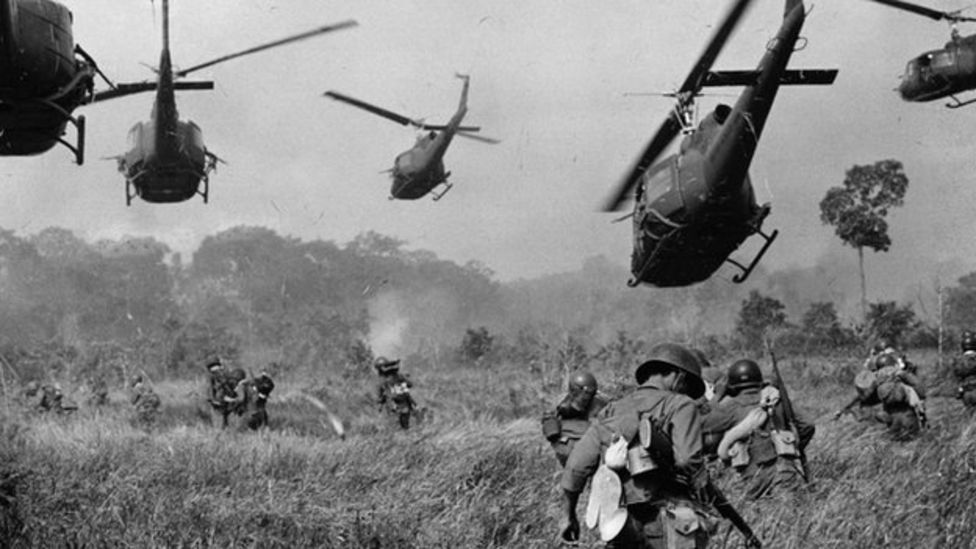
US Army helicopters pour machine-gun fire into the tree line to cover the advance of ground troops

In 1968 US soldiers murdered several hundred Vietnamese civilians in the single most infamous incident of the Vietnam War. The My Lai massacre is often held to have been an aberration but investigative journalist Nick Turse has uncovered evidence that war crimes were committed by the US military on a far bigger scale.

In a war in which lip service was often paid to winning "hearts and minds", the US military had an almost singular focus on one defining measure of success in Vietnam: the body count - the number of enemy killed in action. Vietnamese forces, outgunned by their adversaries, relied heavily on mines and other booby traps as well as sniper fire and ambushes. Their methods were to strike and immediately withdraw.

Unable to deal with an enemy that dictated the time and place of combat, US forces took to destroying whatever they could manage. If the Americans could kill more enemies - known as Viet Cong or VC - than the Vietnamese could replace, the thinking went, they would naturally give up the fight.

To motivate troops to aim for a high body count, competitions were held between units to see who could kill the most. Rewards for the highest tally, displayed on "kill boards" included days off or an extra case of beer. Their commanders meanwhile stood to win rapid promotion.

Very quickly the phrase - "If it's dead and Vietnamese, it's VC" - became a defining dictum of the war and civilian corpses were regularly tallied as slain enemies or Viet Cong.

Civilians, including women and children, were killed for running from soldiers or helicopter gunships that had fired warning shots, or being in a village suspected of sheltering Viet Cong. At the time, much of this activity went unreported - but not unnoticed.

Civilian casualties

Researching post-traumatic stress disorder among Vietnam veterans, in 2001 I stumbled across a collection of war crimes investigations carried out by the military at the US National Archives. Box after box of criminal investigation reports and day-to-day paperwork had been long buried away and almost totally forgotten. Some detailed the most nightmarish descriptions. Others hinted at terrible events that had not been followed up.

At that time the US military had at its disposal more killing power, destructive force, and advanced technology than any military in the history of the world.

The amount of ammunition fired per soldier was 26 times greater in Vietnam than during World War II. By the end of the conflict, America had unleashed the equivalent of 640 Hiroshima-sized atomic bombs on Vietnam. Vast areas dotted with villages were blasted with artillery, bombed from the air and strafed by helicopter gunships before ground troops went in on search-and-destroy missions.

The phrase "kill anything that moves" became an order on the lips of some American commanders whose troops carried out massacres across their area of operations.

While the US suffered more than 58,000 dead in the war, an estimated two million Vietnamese civilians were killed, another 5.3 million injured and about 11 million, by US government figures, became refugees in their own country. Today, if people remember anything about American atrocities in Vietnam, they recall the March 1968 My Lai massacre in which more than 500 civilians were killed over the course of four hours, during which US troops even took time out to eat lunch.

Far bloodier operations, like one codenamed Speedy Express, should be remembered as well, but thanks to cover-ups at the highest levels of the US military, few are.


General Julian Ewell, commander of the US 9th Infantry Division

Gen Julian Ewell earned the nickname Butcher of the Delta during his time in Vietnam

Industrial-scale slaughter

In late 1968, the 9th Infantry Division, under the command of Gen Julian Ewell, kicked off a large-scale operation in the Mekong Delta, the densely populated deep south of Vietnam. In an already body count-obsessed environment, Ewell, who became known as the Butcher of the Delta, was especially notorious. He sacked subordinates who killed insufficient numbers and unleashed heavy firepower on a countryside packed with civilians.

A whistle-blower in the division wrote to the US Army Chief of Staff William Westmoreland, pleading for an investigation. Artillery called in on villages, he reported, had killed women and children. Helicopter gunships had frightened farmers into running and then cut them down. Troops on the ground had done the same thing. The result was industrial-scale slaughter, the equivalent, he said, to a "My Lai each month". Just look at the ratio of Viet Cong reportedly killed to weapons captured, he told Westmoreland.Indeed, by the end of the operation Ewell's division claimed an enemy body count of close to 11,000, but turned in fewer than 750 captured weapons.

Westmoreland ignored the whistle-blower, scuttled a nascent inquiry, and buried the files, but not before an internal Pentagon report endorsed some of the whistle-blower's most damning allegations. The secret investigation into Speedy Express remained classified for decades before I found it in buried in the National Archives.

The military estimated that as many as 7,000 civilians were killed during the operation. More damning still, the analysis admitted that the "US command, in its extensive experience with large-scale combat operations in South East Asia, appreciated the inevitability of significant civilian casualties in the conduct of large operations in densely populated areas such as the Delta."

Indeed, what the military admitted in this long secret report confirmed exactly what I also discovered in hundreds of talks and formal interviews with American veterans, in tens of thousands of pages of formerly classified military documents, and, most of all, in the heavily populated areas of Vietnam where Americans expended massive firepower. Survivors of a massacre by US Marines in Quang Tri Province told me what it was like to huddle together in an underground bomb shelter as shots rang out and grenades exploded above. Fearing that one of those grenades would soon roll into their bunker, a mother grabbed her young children, took a chance and bolted.

"Racing from our bunker, we saw the shelter opposite ours being shot up," Nguyen Van Phuoc, one of those youngsters, told me. One of the Americans then wheeled around and fired at his mother, killing her. Many more were killed on that October day in 1967. Two of the soldiers involved were later court martialled but cleared of murder.

Commemoration

Last year, the Pentagon kicked off a 13-year program to commemorate the 50th anniversary of the war. An entry on the official Vietnam War Commemoration website for My Lai describes it as an "incident" and the number killed is listed as "200" not 500.

Speedy Express is referred to as "an operation that would eventually yield an enemy body count of 11,000". There is almost no mention of Vietnamese civilians. In a presidential proclamation on the website, Barack Obama distils the conflict down to troops slogging "through jungles and rice paddies… fighting heroically to protect the ideals we hold dear as Americans… through more than a decade of combat".

Despite what the president might believe, combat was just a fraction of that war. The real war in Vietnam was typified by millions of men, women, and children driven into slums and refugee camps; by homes, hamlets, and whole villages burnt to the ground; by millions killed or wounded when war showed up on their doorstep.

President Obama called the Vietnam War "a chapter in our nation's history that must never be forgotten". But thanks to cover-ups like that of Speedy Express, few know the truth to begin with. About the author: Nick Turse has been researching US military atrocities in the Vietnam War for more than a decade and has detailed his findings in a book Kill Anything That Moves: The Real American War in Vietnam.


A Pentagon spokesman, when asked for a statement about the evidence presented, said he doubted that more than 50 years after the US went to war in Vietnam, it would be possible for the military to provide an official statement in "a timely manner."


US ARMY SPC 5 whitefish Reporting
Viet-Nam Combat Veteran
 

Vets with Rare Lung Disease Could Get Benefits More Easily Under Proposed Changes, VA Says


balad.jpg

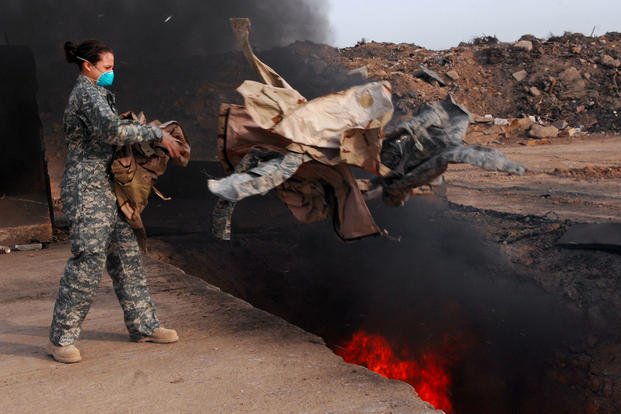
An airman tosses unserviceable uniform items into a burn pit in Balad, Iraq, March 10, 2008.

Veterans with a rare lung disease could have an easier time collecting Department of Veterans Affairs disability benefits under proposed changes announced by the agency Wednesday.

The ailment, called constrictive bronchiolitis, or CB, is one of the burn pit-related illnesses covered under the PACT Act, the sweeping law passed two years ago that aimed to make it easier for veterans with certain diseases linked to toxic exposure to get VA care and benefits. But veterans with CB have reported still facing unique challenges to getting their benefits approved by the VA.

Now, the department is taking steps to remove the specific challenges veterans with CB face when applying for benefits.

"These steps are part of our comprehensive efforts to make sure that all those we serve -- including veterans who live with CB and their survivors -- get the benefits they deserve," VA Secretary Denis McDonough wrote in a letter to Senate Veterans Affairs Committee Chairman Jon Tester, D-Mont., released by the department Wednesday.

"Altogether, we are now delivering more care and more benefits to more veterans than ever before, but we will not rest until every veteran and survivor gets the care and benefits they deserve," McDonough added. "That is why today's proposed steps are so important, and that is why we will continue to do everything in our power to support veterans who live with CB and their survivors."

CB, also known as obliterative bronchiolitis or bronchiolitis obliterans, is the narrowing or obstruction of the lungs' smallest airways -- the bronchioles -- by scarring or fibrous tissue. The scarring prevents oxygen exchange between the lungs and the bloodstream, causing extreme fatigue.

Other symptoms include shortness of breath and unexplained wheezing or dry cough in the absence of a cold or allergies.

CB was one of the 23 ailments that the PACT Act classified as presumed to be linked to military service, meaning the burden is no longer on veterans to prove their illness was caused by military service in order to be approved for benefits.

But two specific issues have made it difficult for veterans with CB to collect benefits even after the PACT Act, veterans and experts recently told lawmakers in a roundtable to mark the anniversary of the bill.

First, CB is the only one of the PACT Act illnesses that does not have its own diagnostic code in VA disability claims systems, and the system rejects diseases without a designated code. Second, it is difficult to diagnose CB, with the only current way to definitively diagnose it being a painful, invasive lung biopsy.

To address those hurdles, the VA is taking steps to add a diagnostic code specifically for CB. The department is also moving to allow two additional medical tests to evaluate those with CB that will "make it easier for veterans to obtain an accurate disability rating," according to McDonough's letter. The tests are maximum oxygen consumption and metabolic equivalents, which respectively measure oxygen and energy usage during exercise.

The changes announced Wednesday are not taking effect immediately. The department must first go through the federal rulemaking process, a sometimes lengthy undertaking that includes soliciting public comment. The proposed rule change will be published in the Federal Register on Thursday, according to a draft published on the agency's website Wednesday.

In April, Tester led 17 other senators in calling on the VA to make the changes similar to those announced Wednesday after a PBS NewsHour story highlighted the issue.

A Senate aide told Military.com that, while not perfect, the VA's Wednesday announcement was a significant step forward and that Tester will monitor the implementation of the changes.

"Toxic-exposed veterans have waited decades to receive the benefits and health care the PACT Act provides, and it's critical VA is implementing the law the way veterans need and deserve," Tester said in an emailed statement Wednesday. "That means fixing outdated processes standing in the way of veterans and their newly expanded benefits. I'm glad to see the department answering my call to do this for veterans with constrictive bronchiolitis, and I'll keep holding VA accountable to roll out this law the way Congress intended."


US ARMY SPC 5 whitefish Reporting
Viet-Nam Combat Veteran
 

The Next Deadline for Backdated PACT Act Payments Is Coming Soon. Here's What You Need to Know.


military%20simulated%20toxic%20exposure%201800%20x%201200.jpg

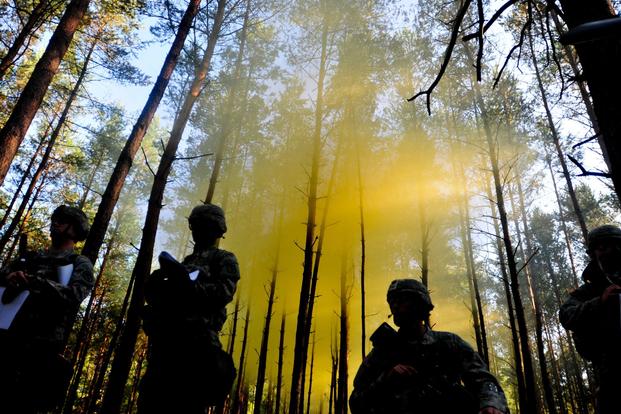
U.S. Army Europe Expert Field Medical Badge candidates listen to a brief in Grafenwoehr, Germany. Candidates must perform multiple tasks with protective gear to prevent simulated toxic exposure.

The clock is counting down to the final deadline for certain U.S. military veterans, or their surviving family members, to receive maximum benefits for a toxic exposure-related medical condition under the PACT Act.

Those vets or family members who hadn't yet filed a PACT Act claim but instead declared their "intent to file" ahead of a summer 2023 deadline locked in the earliest possible effective date for their benefits. But as soon as they filed the form declaring their intent, they had only 365 days to complete their claim -- and for those who did so last summer, that's the looming deadline.

In fiscal year 2023, the first full fiscal year after the law's signing, veterans turned in almost 2.3 million "intents-to-file," according to the VA, a 62% increase over fiscal year 2022 and a new record.

Signed into law in August 2022, the PACT Act gave millions of veterans exposed to toxic substances while in uniform, or their survivors, the potential to receive disability compensation, health care, or dependency and indemnity compensation, with qualifying service going back to the 1960s.

The act classified certain medical conditions frequently resulting from toxic exposures as presumptive, assuming a connection with a veteran's military service if the veteran served in a certain place at a certain time. Classifying conditions as presumptive lowered the burden of proof that a toxic exposure in the military definitively caused a disease, making it easier for veterans to receive disability compensation or VA health care if appropriate.

Who Can Still Receive the Maximum Backdated PACT Act Benefits?

Veterans or survivors who formally declared their intent to file a PACT Act claim by Aug. 14, 2023, may still qualify to receive the maximum backdated benefits, also referred to as retroactive benefits.

To receive compensation backdated to the law's signing on Aug. 10, 2022 -- the earliest start date for a new claim -- veterans and survivors had the option to formally notify the VA of their intent to file. Once they turned in the paperwork declaring their intent to file, they had 365 days to get their actual claim together.

Those who declared their intent last summer still have a chance to complete their claim and receive full backdated benefits.

"You can still finish your claim anytime, and we encourage you to do so," according to the VA. "The only thing that may change is the effective date of your benefits."

Qualifying veterans receive disability compensation, while qualifying survivors receive dependency and indemnity compensation. Those who filed a claim in the past for a newly presumptive condition should file a supplemental claim instead of a new claim. Depending on the circumstances, people who filed in the past could get their benefits backdated further.

If the VA denied a claim in the past for a condition that's now considered presumptive, the beneficiary should file a supplemental claim instead of a new claim.

Review your intent-to-file and any records submitted in support of a claim by logging in to va.gov with an existing Login.gov, ID.me, DS Logon or My HealtheVet account.

If I Haven't Filed Any PACT Act Paperwork, Can I Still Receive Backdated Benefits?

For PACT Act claims filed after Aug. 14, 2023, beneficiaries may still be eligible to receive a year of backdated benefits, but the year would count backward from the date they file their claim or intent-to-file and not go all the way back to the law's signing, the Department of Veterans Affairs told Military.com.

"VA will review their record to determine the earliest benefit start date possible," a spokesperson said.

There is no final deadline to file a PACT Act claim. The Aug. 14, 2023, deadline to file or declare intent only applied to receiving the earliest effective date for benefits.

How Can I Get Free Help Completing a PACT Act Claim?

Veterans and survivors who feel uncertain about filing a PACT Act claim may enlist the help of the VA's accredited representatives, including veterans service organizations (VSOs), or that of veterans offices run by state and local governments.

VSOs help veterans file benefit claims for free with no obligation to join. Veterans offices that are part of local or state governments can also help with local and state benefits.


US ARMY SPC 5 whitefish Reporting
Viet-Nam Combat Veteran
 

Recent Sites

Latest Reviews

Back
Top